Drain Plumber Tips for Blocked Drains Tweed Heads & Coolangatta Guide
A blocked drain is one of the most disruptive plumbing problems a property owner can face. What begins as a slow-draining sink or a gurgling toilet can quickly escalate into a full sewage backup, structural water damage, and significant repair bills if left unaddressed.
As a trusted drain plumber servicing Tweed Heads, Coolangatta, and the broader southern Gold Coast, Hipwell Plumbing has attended thousands of drain-related call-outs over the years.
Understanding Blocked Drains: How and Why They Happen
Blocked drains in Tweed Heads and Coolangatta are not random events. They almost always have identifiable causes and once those causes are understood, many blockages can be avoided entirely. When any of these factors is compromised, a blockage is the likely result.
The Most Common Causes of Blocked Drains
- Hair and soap scum: In bathroom drains, the combination of hair strands and soap residue accumulates steadily over time, gradually narrowing the pipe bore until the drain slows to a trickle or stops entirely.
- Grease and fat: Kitchen sinks are particularly vulnerable to grease blockages. Cooking oils and fats are liquid when hot but solidify as they cool inside the drain pipe, creating a progressive restriction that traps food particles and other waste.
- Foreign objects: Items that should never enter the plumbing system wet wipes, cotton wool, hygiene products, children's toys, and excessive toilet paper are a leading cause of toilet blockages and main sewer obstructions.
- Stormwater and debris: Outdoor drains and stormwater systems can become blocked by leaf litter, dirt, and sediment particularly during the heavy rainfall events common to the southern Gold Coast and Tweed region.
Warning Signs That You Need a Drain Plumber
Recognising the early warning signs of a drain problem is the best way to avoid a full-scale blockage emergency. A qualified drain plumber can resolve most issues quickly and affordably when they are identified in the early stages but the same problems, left unattended, can cause extensive damage to your property and plumbing infrastructure.
Key Warning Signs to Watch For
- Water draining slowly from sinks, basins, baths, or showers
- Gurgling sounds coming from drains, particularly after flushing the toilet or draining the bath
- Unpleasant odours emanating from drains inside or outside the property
- Water pooling around floor wastes or outdoor drains
- Toilet water rising higher than usual before draining, or not fully draining
Professional Drain Plumber Solutions for Blocked Drains in Tweed Heads
When blocked drains in Tweed Heads or Coolangatta require professional attention, a qualified drain plumber has access to a range of advanced diagnostic and remediation tools that go well beyond the capabilities of household drain cleaners or plungers.
CCTV Drain Camera Inspection
Before committing to any drain repair or clearing method, a thorough CCTV camera inspection provides a precise picture of what is happening inside the pipe. A flexible waterproof camera is inserted into the drain and transmits live footage of the interior, allowing the plumber to identify the exact location and nature of the obstruction.
High-Pressure Water Jetting
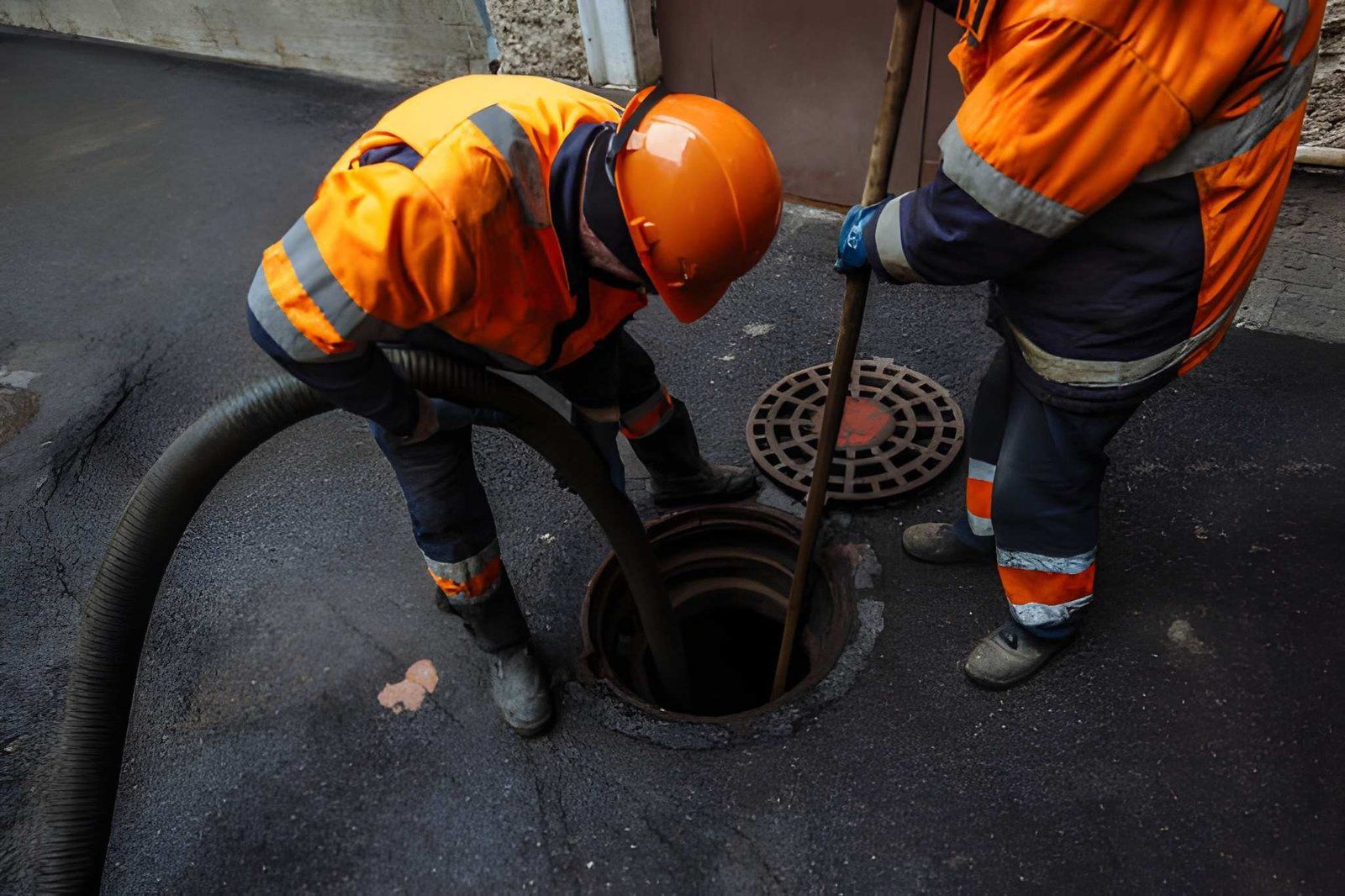
High-pressure water jetting sometimes called hydro-jetting is the most effective method for clearing most types of drain blockages. A specialised nozzle delivers a powerful stream of water into the pipe at high pressure, cutting through grease and fat accumulations, dislodging root intrusions, flushing away debris, and scouring the pipe walls clean in the process.
Electric Eel and Drain Auger
For certain types of blockages particularly localised obstructions in smaller diameter pipes a drain auger or electric eel is an effective tool. A rotating flexible cable is fed into the pipe to break up or retrieve the obstruction.
Excavation and Pipe Replacement
In cases where the drainage infrastructure is too severely damaged or degraded for relining such as a completely collapsed section of pipe excavation and full pipe replacement may be required.
Blocked Drains in Tweed Heads: Local Factors to Know
The Tweed Heads and Coolangatta area has several characteristics that make drain management particularly important for local property owners. Understanding these local factors helps explain why blocked drains in Tweed Heads occur more frequently in some properties than others.
Ageing Drainage Infrastructure
Many residential properties in Tweed Heads were developed from the 1950s through to the 1980s. The clay and early PVC drainage pipes installed during this period have now aged significantly.
Coastal Soil Conditions
The sandy and reactive soils common to the coastal strip between Tweed Heads and Coolangatta can shift with changing moisture levels, placing stress on underground drainage pipes.
Subtropical Vegetation
The lush subtropical gardens common to properties in this region are a significant source of drain blockages. Species such as figs, palms, and many native trees have extensive and aggressive root systems.
Holiday and Rental Properties
Coolangatta and Tweed Heads have a high proportion of short-term rental and holiday accommodation properties. Drain systems in these properties typically experience higher-than-average usage and are more likely to receive inappropriate items in the plumbing system.
Plumbing Renovations in Coolangatta and Their Impact on Drainage
For property owners undertaking plumbing renovations in Coolangatta, the drainage system deserves careful consideration as part of the overall renovation plan.
Bathroom Renovations
A bathroom renovation is the ideal time to inspect and, if necessary, upgrade the drainage infrastructure beneath the floor. Installing a new shower, bath, or vanity without first confirming the condition of the waste pipes below can result in drainage problems becoming apparent only after the renovation is complete at which point rectifying them is far more disruptive and expensive.
Kitchen Renovations
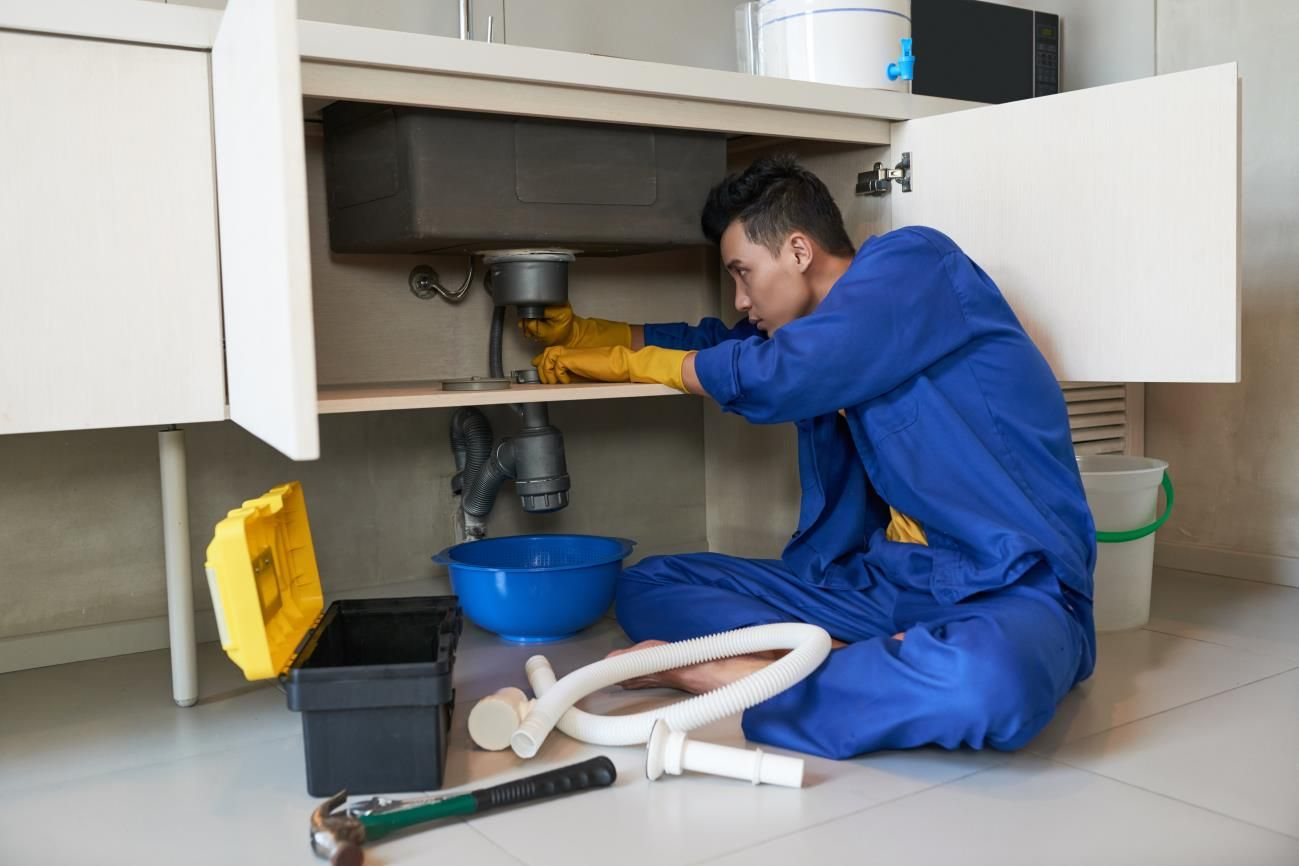
Kitchen drain lines are among the most blockage-prone in any property due to grease and food waste. A kitchen renovation provides an opportunity to replace undersink waste pipework, install a larger capacity trap, and clear any existing accumulations in the connecting drain line.
Laundry and Outdoor Drains
Laundry drain lines are susceptible to lint accumulation from washing machines, which gradually narrows the pipe bore. Outdoor drains and stormwater pits are vulnerable to sediment, leaf litter, and root intrusion.
Long-Term Drain Maintenance and Prevention Strategies
The most effective and economical approach to drain management is prevention. A drain plumber who attends a property regularly for inspection and maintenance will almost always identify and resolve developing issues before they become serious blockages.
What to Avoid Putting Down Your Drains
- Cooking oils, fats, and grease allow to cool and dispose of in the bin
- Wet wipes, baby wipes, and so-called 'flushable' wipes these do not break down in the drainage system
- Cotton wool, cotton buds, hygiene products, and nappies
- Paper towels and tissues use toilet paper only
Simple Maintenance Habits
- Install a hair catcher in shower and bath drains and clean it weekly
- Flush kitchen drains with boiling water and a small amount of dish soap monthly to help break down grease accumulation
- Keep outdoor drains and stormwater grates clear of leaf litter and debris, particularly after storms
Commercial Drain Plumbing in Tweed Heads and Coolangatta
Commercial properties including restaurants, cafes, hotels, retail premises, and strata buildings have drainage demands that are significantly more complex than residential properties. Higher volumes of waste, specialised equipment, grease traps, and multiple tenancy connections all contribute to a more demanding drain management environment.
Grease Trap Maintenance
Commercial food service businesses in Queensland are required by regulation to install and maintain grease traps to prevent cooking fats and oils from entering the public sewer system.
Stormwater Management
Commercial properties often have large roof and paved areas that generate significant stormwater run-off. Blocked stormwater drains and pits on commercial premises can cause surface flooding, damage to stock and fittings, and liability issues.
Conclusion
Blocked drains are among the most common and preventable plumbing problems experienced by property owners in Tweed Heads and Coolangatta.
From CCTV drain inspections and high-pressure water jetting to pipe relining and long-term maintenance programmes, Hipwell Plumbing delivers comprehensive drain plumber services across the Tweed Heads, Coolangatta, and southern Gold Coast region.
If you are experiencing blocked drains, planning plumbing renovations in Coolangatta, or simply want to get ahead of potential drain issues with a scheduled inspection, our licensed team is ready to help.
Frequently Asked Questions
How do I know if I have a blocked drain or just a slow drain?
A slow drain is usually the first indicator of a developing blockage. If water is draining noticeably more slowly than normal from a sink, shower, or bath, there is likely a partial obstruction forming in the pipe.
Can I use chemical drain cleaners to unblock my drain?
Chemical drain cleaners sold in supermarkets and hardware stores can provide temporary relief for minor grease or soap blockages in bathroom drains, but they have significant limitations.
How long does it take to clear a blocked drain?
The time required to clear a blocked drain depends on the nature and location of the blockage. A straightforward hair or grease blockage in a bathroom or kitchen drain can typically be resolved within 30 to 60 minutes.
What is involved in a CCTV drain inspection?
A CCTV drain inspection involves inserting a waterproof camera mounted on a flexible cable into the drainage system via an access point such as a cleanout or gully trap.
What is the difference between a blocked drain and a sewer overflow?
A blocked drain refers to an obstruction within the private drainage system of a property the pipes that carry waste from fixtures to the connection point with the public sewer.